
Understanding the psychological triggers behind gambling behaviors
The allure of risk-taking
The thrill of taking risks is a significant psychological trigger that fuels gambling behaviors. Many individuals are drawn to the excitement and unpredictability associated with games of chance. This thrill-seeking behavior can often be linked to personality traits such as high levels of impulsivity or sensation-seeking. The prospect of a big win can be exhilarating, compelling players to place bets despite the odds being stacked against them. Players can also explore online pokies, as this fascination with risk can create a cycle where the excitement of a potential win overshadows the reality of potential losses.
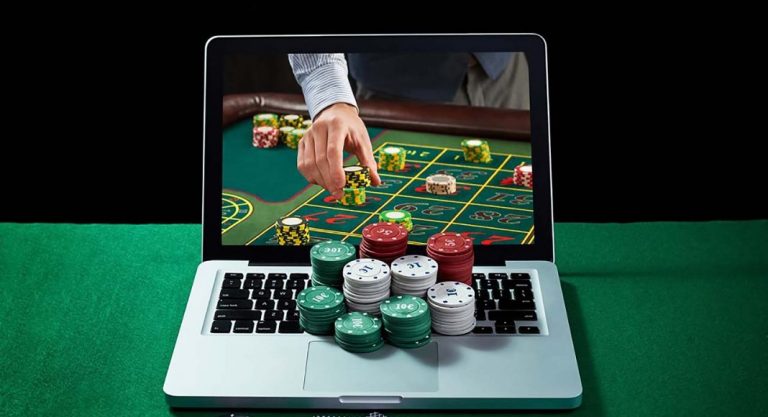
Moreover, the element of uncertainty plays a crucial role in maintaining interest in gambling activities. People often perceive gambling as a game of skill or chance, which can lead to a belief that they can control the outcome. This illusion of control is psychologically satisfying, reinforcing the behavior as individuals chase wins, believing that they can outsmart the system. Consequently, the allure of risk-taking not only drives initial participation in gambling but also promotes continued engagement, regardless of prior losses.
The social context in which gambling occurs also amplifies its appeal. In many cultures, gambling is associated with social gatherings, celebrations, and shared experiences. This communal aspect can trigger emotional connections, making the act of gambling feel less solitary and more of a collective adventure. Such social factors can create an environment where the risk is not only accepted but celebrated, further embedding gambling behaviors within cultural norms.
The role of reinforcement
Reinforcement is a foundational principle in understanding gambling behavior. Positive reinforcement occurs when a gambler wins, creating a pleasurable emotional response that encourages them to repeat the behavior. This immediate gratification acts as a powerful motivator, triggering dopamine release in the brain, which is associated with pleasure and reward. The intermittent nature of rewards—where wins occur sporadically—makes gambling akin to a slot machine where the anticipation of the next win keeps players engaged and hopeful.
Conversely, negative reinforcement can also play a role in gambling behaviors. When individuals gamble to escape stress, anxiety, or other negative emotions, the act can serve as a temporary relief. This emotional coping mechanism reinforces gambling as a viable strategy for managing feelings, often leading to habitual behaviors. Over time, individuals may find themselves relying on gambling as a primary means of coping, which can escalate into problematic or addictive behaviors.
The cyclical nature of reinforcement, both positive and negative, creates a complex relationship between gamblers and their behaviors. The initial thrill of winning may fade, leading to increased betting in an attempt to recapture that excitement. This cycle can result in increased financial risk and emotional distress, highlighting the importance of understanding these psychological triggers when addressing gambling behaviors.
The impact of cognitive biases
Cognitive biases significantly influence gambling behaviors, shaping how individuals perceive odds and outcomes. One common bias is the “gambler’s fallacy,” which leads individuals to believe that past events can influence future outcomes in random games. For instance, a player may think that a losing streak indicates a higher chance of winning soon, leading them to gamble more aggressively. This misinterpretation of probability fosters persistence in gambling, often resulting in substantial financial losses.
Another prevalent cognitive bias is the illusion of control, where gamblers believe they can influence the outcome of games of chance through skill or strategy. This perception may lead individuals to engage in behaviors such as over-betting or adopting superstitions, thinking these actions can sway the odds in their favor. Such biases can be detrimental, as they prevent individuals from making rational decisions based on the actual probabilities involved in gambling scenarios.
Understanding cognitive biases is crucial for both gamblers and those involved in gambling prevention efforts. By recognizing these distorted perceptions, individuals can develop more realistic views about gambling. Education on probability and risk can help mitigate the impact of cognitive biases, promoting healthier gambling habits and reducing the likelihood of addiction.
Emotional connections to gambling
The emotional landscape surrounding gambling is intricate and multifaceted. Many individuals use gambling as a means to experience intense emotions, from excitement during a game to the rush of adrenaline from a big win. For some, this emotional high can be highly addictive, creating a powerful draw to continue gambling even when the risks outweigh the rewards. This connection between emotion and behavior underscores the psychological triggers that can lead to compulsive gambling.
Furthermore, gambling can serve as a form of escapism for many individuals. People facing stress, depression, or other life challenges may turn to gambling as a way to escape their realities. The temporary relief that gambling provides can be profoundly satisfying, leading to repeated behavior as individuals seek to prolong that emotional state. However, this reliance on gambling for emotional relief can create a vicious cycle, where underlying issues remain unaddressed while gambling becomes a primary coping mechanism.
Recognizing the emotional triggers that lead to gambling behaviors is vital for developing effective support systems and interventions. By addressing the root causes of emotional distress, individuals can be guided toward healthier coping strategies that do not involve gambling. This approach not only aids in reducing gambling-related harm but also fosters a more sustainable emotional well-being.

Exploring our online gambling community
In our online platform, we provide a welcoming and supportive environment for gambling enthusiasts to explore their interests safely. With a focus on education and transparency, we strive to empower our users by offering valuable resources and insights into gambling behaviors. Understanding the psychological triggers behind gambling is essential, and our community fosters discussions that promote awareness and responsible gaming practices.
Our website is dedicated to reviewing various online casinos, offering detailed evaluations of their services. We prioritize user-friendly navigation, ensuring that players can access information easily and make informed decisions. By promoting safe gambling practices, we aim to create a more positive experience for our users while addressing the complexities of gambling behaviors.
Join our vibrant community to explore the latest in online gambling. With expert ratings and insights, we are committed to enhancing your gaming experience while encouraging responsible gambling practices. Together, we can navigate the world of online gaming with awareness and understanding, ensuring that every player has access to the tools needed for a fun and secure environment.